
Teamcare and COMFORTage: scaling up digital and transversal skills for person-centred integrated care
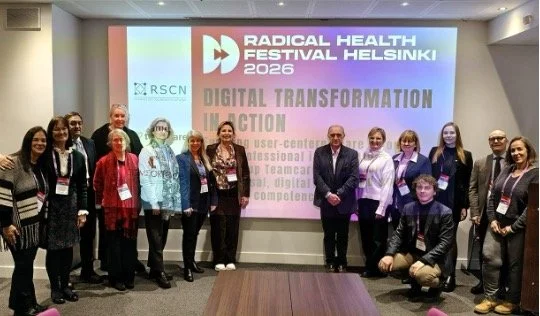
Leading experts gathered at the Radical Health Festival Helsinki (RHFH) to explore how interprofessional training models like Teamcare and COMFORTage can drive systemic digital transformation in health and care across Europe.
On 20 January 2026, as part of the Radical Health Festival Helsinki (RHFH), the session Digital Transformation in Action – Enabling user-centered care through inter-professional interventions brought together a wide range of European stakeholders to discuss how to scale and sustain innovative workforce training programmes that support integrated, digital and person-centred care.
Focusing on the Teamcare training model and the COMFORTage Training & Education Programme, the session explored how transversal and digital competencies can empower health and care professionals to respond to evolving service demands, while fostering a shared inter-professional culture that prioritises collaboration, user empowerment, and long-term sustainability.
The session opened with presentations from Fiona Kent and Jan Illing (Royal College of Surgeons in Ireland – RCSI), Despoina Mantziari (AUTH) and RSCN, outlining how the Teamcare curriculum is being deployed across different European regions through a system of flexible micro-credentials, tailored to specific organisational and national contexts. During the session COMFORTage was presented as a pan-European initiative addressing the challenge of digital transformation in dementia and frailty care, with a focus on AI-supported interventions, modular training, and alignment between clinical, digital and governance actors.
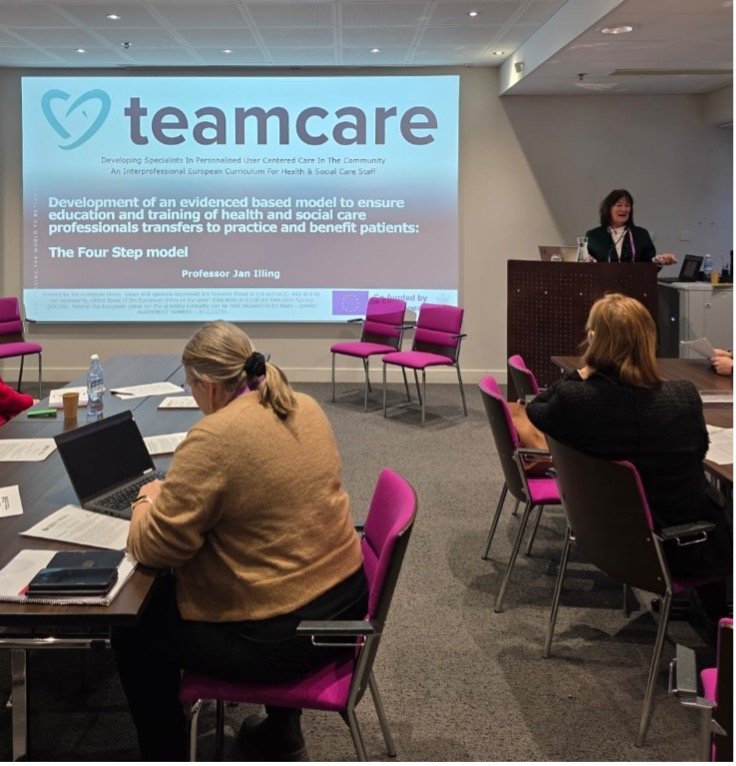
Figure 2: Jan Illing (RCSI) talking about the TEAMCARE model
During Round Table 1, early experiences from the Teamcare pilots were discussed by Benedetto Giardulli (UniGe, Italy), Ewelina Łojewska (UMED, Poland), Kleio Koutra (HMU, Greece) and Geraldine Regan (RCSI, Ireland). The speakers illustrated how each region has adapted the training model to local needs and highlighted the critical skills gaps addressed, from digital literacy to interprofessional collaboration. These pilots have already begun to generate practical insights and evidence for policy and system-level uptake, reinforcing the scalability of the curriculum within higher education and professional development frameworks.
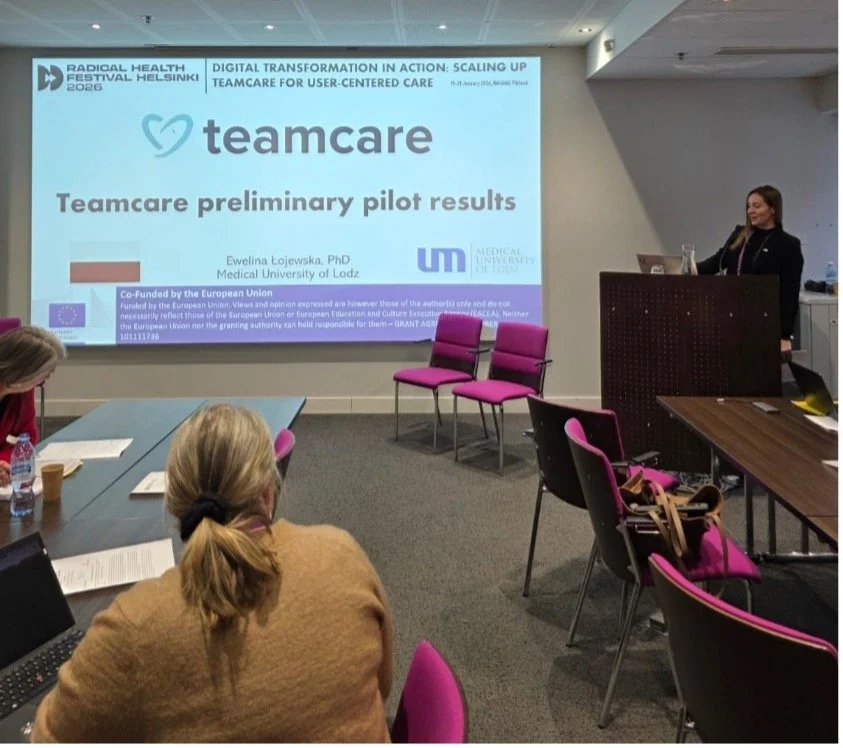
Figure 3: Ewelina Łojewska talking about the Polish pilot
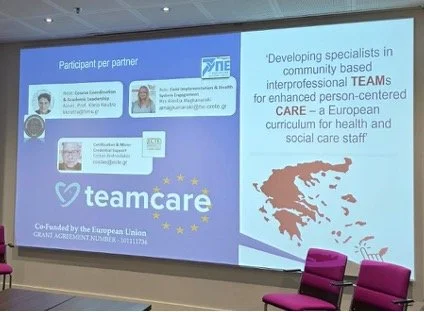
Figure 4: Experiences from the TEAMCARE pilots
Following this, Session 2 focused on the broader innovation ecosystems required to move from isolated pilots to sustained implementation. Raquel Losada (INTRAS Foundation / COMFORTage Project), Donna Henderson (NHS Scotland) and Antonios Papadakis (Region of Crete, Directorate of Public Health and Social Welfare), emphasised the need for a multi-stakeholder approach linking academia, government, industry, civil society, and end users. They stressed the importance of interoperability, digital health literacy, and ongoing professional training to enable meaningful adoption across diverse sociocultural and organisational settings.
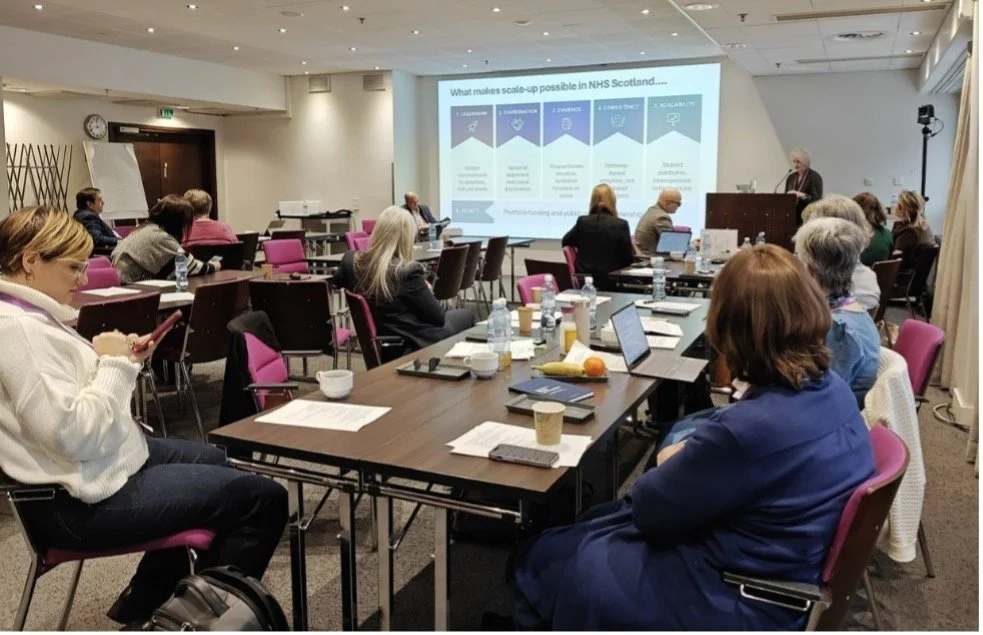
Figure 5: Donna Henderson talking about the NHS Scotland
The final segment, Round Table 2, showcased use-cases from regional ecosystems and COMFORTage pilots, highlighting both challenges and success factors in transferring and scaling innovations. Ana Carriazo (Andalusia Reference Site), Angelina Kouroubali (Crete Reference Site), Guido Laccarino (Age-IT, Campania Reference Site), Joanna Lane (Health Cluster NET), Despoina Mantziari (AUTH / COMFORTage Project) and Raquel Losada (INTRAS Foundation / COMFORTage Project) shared concrete examples of service models and digital solutions that are being scaled up, as well as the enabling conditions that support this process: strong governance, strategic partnerships, interoperable infrastructure, and a digitally competent workforce.
Throughout the session, participants underscored the need for peer-learning networks, communities of practice, and twinning initiatives as critical tools to accelerate knowledge transfer and promote cross-regional adoption. The discussion reaffirmed that training and workforce capacity building must remain central pillars of digital transformation strategies, especially in the context of ageing populations and increasingly complex health and care ecosystems.
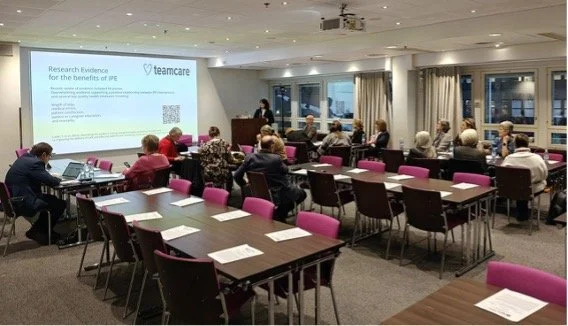
Figure 6: The TEAMCARE and COMFORTage session
The sessions and round tables were moderated by a group of experienced facilitators with complementary expertise across health systems, innovation, education and digital transformation. The facilitation team included Maddalena Illario, Silvia Bossio, Paolo Michelutti and Vincenzo De Luca (RSCN), Jan Illing (RCSI), Leo Lewis, Silva Paanaenen, Diane Whitehouse (EHTEL) and Myriam Martin (éditohealth), who together ensured well-structured, interactive discussions and effective knowledge exchange among speakers and participants.
The event concluded with final reflections and an outlook on upcoming joint activities, delivered by Joanna Lane (Health Cluster NET) and Maddalena Illario (RSCN). Their closing remarks highlighted that the future of health is not limited by innovation, but by our ability to align people, skills, technology and governance around users’ real lives. Scaling transformation means investing in inter-professional capabilities, collaborative ecosystems and continuous learning so integrated, user-centred care becomes the norm, not the exception. That is the radical shift needed to move from promising pilots to sustainable systems of care: a shared vision for scaling innovation in integrated care, with the ambition to ensure equitable access, system resilience, and long-term impact for health professionals, users, and caregivers alike.